Zdravá výživa pro duševní zdraví: Jak jídlo ovlivňuje úzkost, deprese a závislost
When you think about recovery from addiction or managing anxiety, you probably don’t think about your dinner plate. But zdravá výživa, systém příjmu potravy, který podporuje fyzickou i duševní rovnováhu. Also known as výživa pro mozek, it isn’t about diets or restrictions—it’s about giving your brain the fuel it actually needs to heal. If you’ve ever felt like your mood swings are tied to what you ate, you’re not imagining it. Science shows that gut bacteria, blood sugar spikes, and nutrient deficiencies directly influence serotonin, dopamine, and cortisol levels—chemicals that control your emotions, cravings, and stress responses.
People struggling with závislost, fyzická nebo psychická návykovost na látky jako alkohol nebo drogy often eat poorly—not because they’re lazy, but because addiction rewires the brain’s reward system. Sugar and processed carbs mimic the dopamine rush of alcohol or drugs, creating a vicious cycle. Meanwhile, low levels of omega-3 fatty acids, magnesium, and B vitamins are common in those with úzkost, přehnaná reakce na stres, často spojená s fyzickým napětím a přemýšlením and deprese, trvalý pocit bezmoci, bezradnosti a ztráty zájmu. Fixing your diet doesn’t replace therapy—but it makes therapy work better. When your body isn’t fighting inflammation or energy crashes, you have more mental space to face hard emotions.
What does this look like in real life? It’s not about eating kale every day. It’s about choosing whole foods that stabilize your blood sugar—like oats, eggs, beans, and nuts—instead of sugary snacks that make you crash. It’s drinking water instead of soda, getting enough protein to support neurotransmitter production, and avoiding alcohol entirely if you’re in recovery. Even small changes—like adding a handful of walnuts to your breakfast or swapping white bread for rye—can reduce cravings and improve sleep within weeks. And when you feel better physically, you’re more likely to stick with therapy, show up for AA meetings, or reach out to someone when you’re struggling.
You’ll find articles here that connect the dots between what’s on your plate and what’s going on in your mind. Some explain how nutrient deficiencies worsen anxiety. Others show how poor nutrition sabotages recovery from alcohol dependence. You’ll also see practical tips—like what to eat when cravings hit, or how to plan meals when you’re exhausted from depression. This isn’t about perfection. It’s about progress. And if you’re tired of feeling like your body is working against you, the first step might be simpler than you think: start by eating something real.
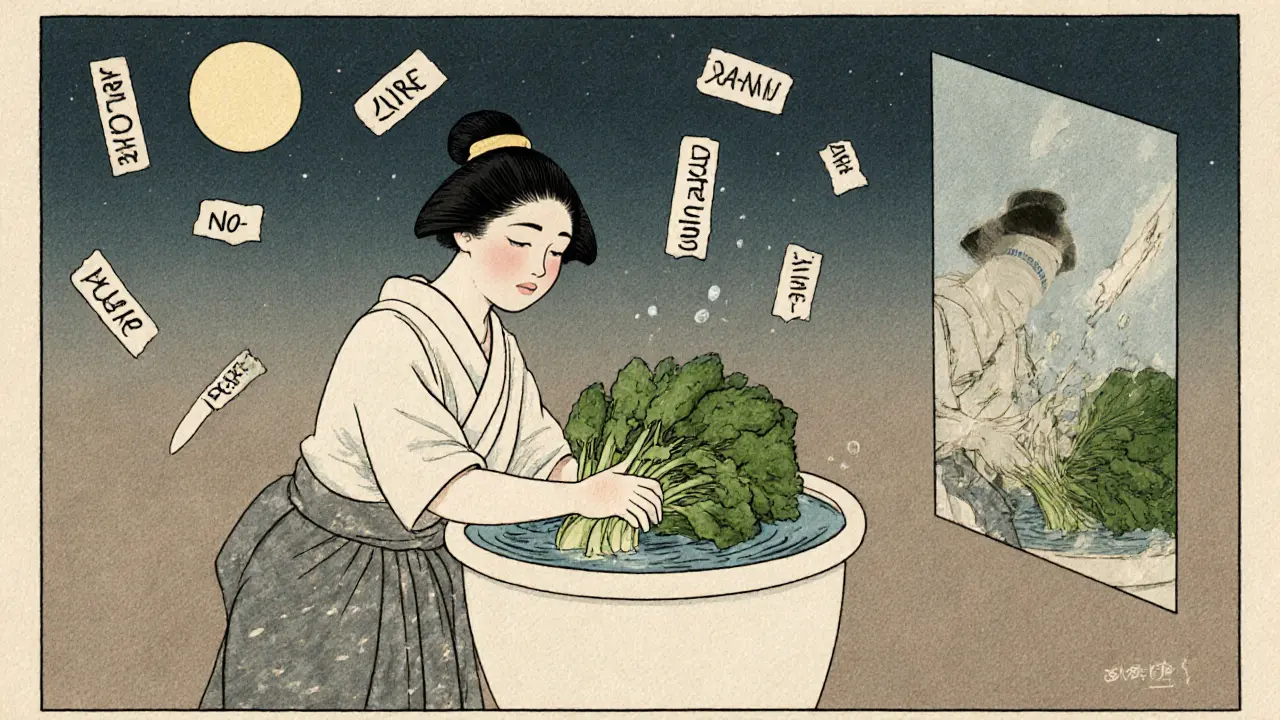
Ortorexie je porucha příjmu potravy, kdy se zdravá výživa stane obsesí. Přehnané zaměření na „čisté“ potraviny může vést k podvýživě, izolaci a psychickému vyčerpání. Terapie pomáhá obnovit rovnováhu.
Zobrazit detaily